








Rivals Returns for a Groundbreaking Second Season
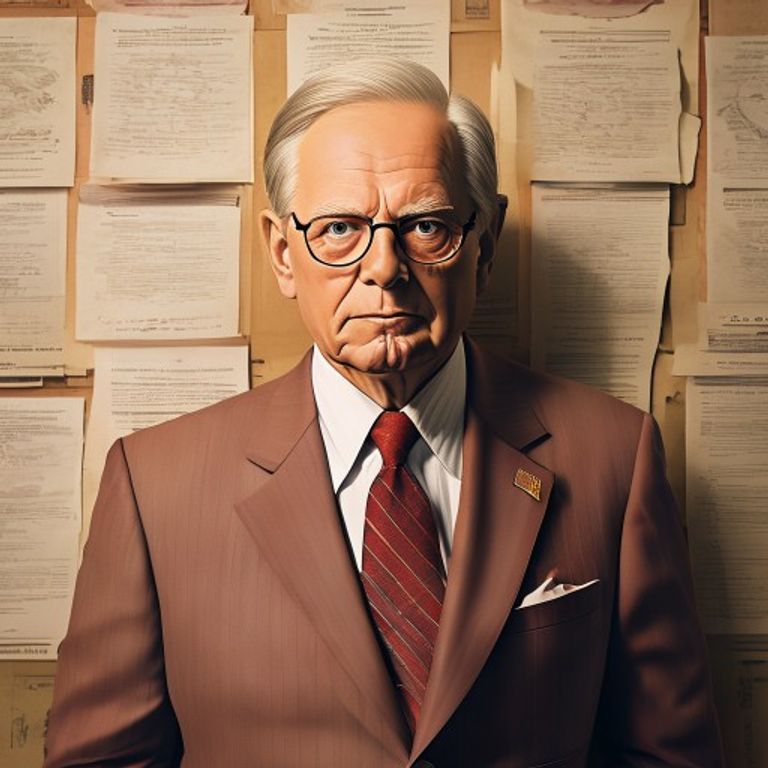
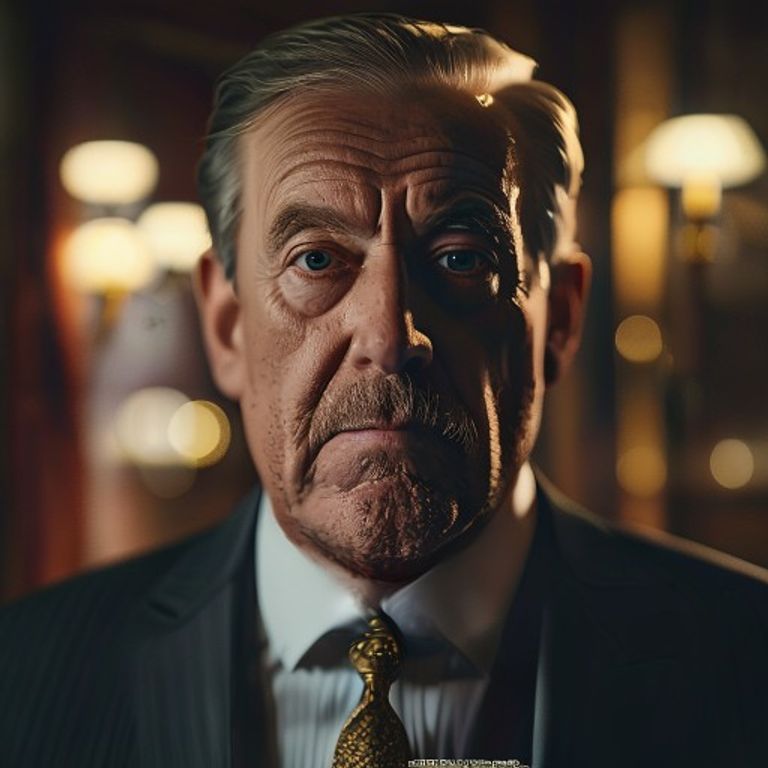
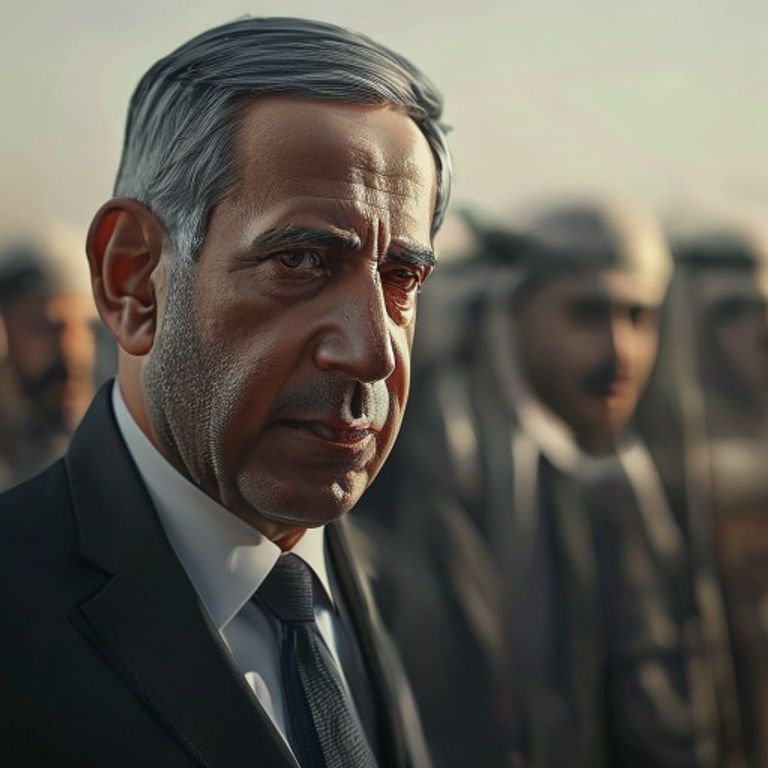
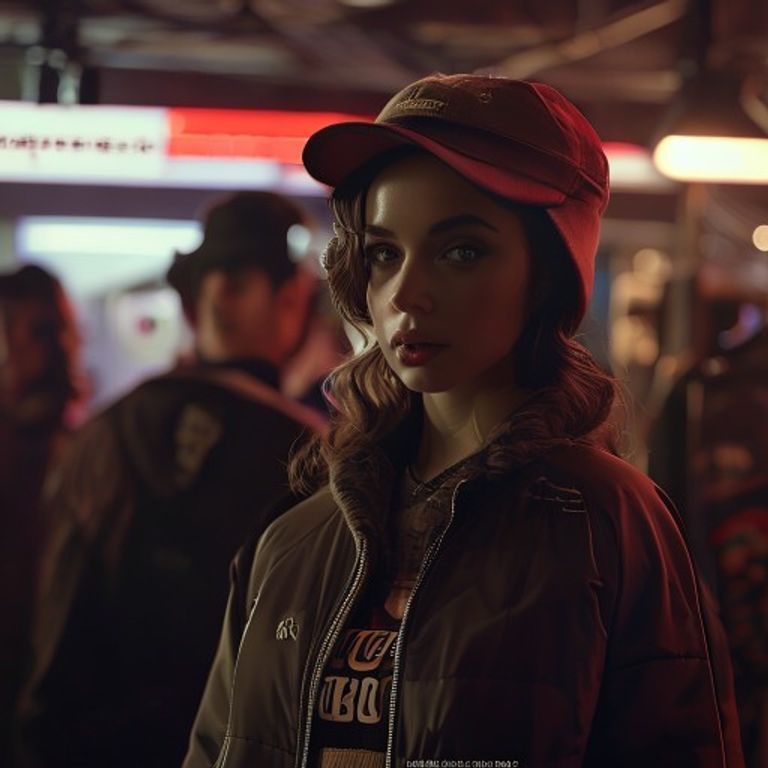
The highly anticipated second season of the hit series Rivals is set to premiere this fall, and fans are eagerly awaiting every detail. This year’s production promises a bigger, bolder, and more exhilarating experience, thanks to expanded storylines, upgraded visual effects, and a cast that’s more committed than ever. In an exclusive interview, lead actors Dyer, Aidan Turner, and David Tennant opened up about their roles, the challenges of filming, and the creative decisions that are shaping the new season.
Why Season Two Is a Game-Changer
From the moment the writers’ room reconvened, the team knew they wanted to push the boundaries of what Rivals could achieve. The original series captivated audiences with its blend of high-stakes competition, complex character dynamics, and razor‑sharp dialogue. Season two amplifies every element, delivering a more intricate plot, heightened physical contests, and deeper emotional arcs.
Producer Elena Ramirez explains, “We listened to the audience’s feedback and recognized that viewers wanted more intensity, more backstory, and more visual spectacle. We’ve invested heavily in set design, stunt coordination, and post‑production, so the audience will feel like they’re truly inside the arena.”
Cast Insights: Dyer Shares His Evolution
Veteran actor Dyer, who portrays the charismatic yet conflicted champion Orion, discussed how his character evolves in the new season. “Orion starts the season at the peak of his fame, but the pressures of celebrity and the expectations of his allies force him into situations he never imagined,” Dyer explained. “It’s not just about the physical challenges; it’s about the psychological game. I’ve spent weeks working with a mental health consultant to bring authenticity to Orion’s breakdown and eventual redemption.”
Dyer also revealed that the fight choreography has been intensified. “We trained for six months with a former Olympic athlete to ensure every move feels visceral and realistic. The bonkier moments you’ll see aren’t just for shock value; they’re grounded in the characters’ emotional states.”
Aidan Turner on Playing the Anti‑Hero
Aidan Turner, who returns as the enigmatic strategist Kael, described his fascination with the anti‑hero archetype. “Kael is a master manipulator, but he’s also haunted by a past he can’t escape,” Turner said. “Season two reveals why he made the choices that defined his reputation, and it puts him at odds with both Orion and the new rivals entering the arena.”
The actor highlighted the show’s new location shoots, which took the cast to rugged coastal cliffs and abandoned industrial warehouses. “Shooting on location adds a rawness you can’t replicate on a soundstage. The wind, the sound of waves crashing, the echo in those empty factories—they all become characters in their own right,” Turner added.
David Tennant’s Role Expansion and New Villain
Perhaps the most exciting news for fans is the expanded role of David Tennant, who reprises his fan‑favorite mentor, Professor Emeritus Lachlan. In season two, Lachlan steps out of the shadows to confront a new, menacing antagonist—an AI-driven competitor named “Chronos,” voiced by a surprise guest star.
“Chronos is an embodiment of technology’s intrusion into tradition,” Tennant explained. “My character’s struggle is not just with a physical opponent but with the philosophical question of whether humanity can coexist with artificial intelligence in a world built on honor and skill.”
Tennant also praised the show’s commitment to diversity and inclusive storytelling. “We’ve introduced characters from underrepresented backgrounds, and the writers ensured their narratives are authentic, not tokenistic. This season reflects a broader spectrum of experiences, making the competition richer and more relatable.”
Production Upgrades: Bigger Sets and Bolder Visuals
The production team has invested in cutting‑edge technology to create the season’s signature aesthetic. The main arena, a massive coliseum constructed in a repurposed aircraft hangar, now features dynamic LED panels that react to the contestants’ movements, creating an immersive environment that feels alive.
Lead set designer Marta Liu described the process: “We wanted the arena to be a living character. The walls pulse with color, the floor vibrates during high‑impact moments, and the lighting shifts to reflect the emotional stakes. It’s a sensory experience designed to pull viewers right into the battle.”
In addition, the show has incorporated drone cinematography for aerial shots, giving audiences a bird’s‑eye view of the action. “These drones capture the scale of the competition in a way traditional cranes cannot,” said director Marco Alvarez. “The audience can see the full scope of the arena and the strategic positioning of each rival, adding a new layer of excitement.”
Stunt Coordination and Safety Protocols
Given the increased physicality of the challenges, safety has been a top priority. The stunt team, led by veteran coordinator Lena Hayes, introduced new safety harnesses and foam‑padded weapons that mimic real combat while protecting the actors.
Hayes emphasized, “We never compromise on safety, but we also strive for realism. The ‘bonkiest’ moments you’ll see on screen are the result of meticulous planning, rehearsals, and a deep trust between the actors and stunt crew.”
Every major fight sequence underwent a three‑day rehearsal period, during which the cast learned precise timing and safe falling techniques. “Even though the stunts look brutal, there’s a rigorous choreography behind each hit,” Hayes added.
Story Arcs That Keep Viewers Hooked
Season two introduces several intertwining storylines that raise the stakes for each competitor. One major arc follows Orion’s struggle with a mysterious illness that threatens his performance. Meanwhile, Kael grapples with a betrayal from his closest ally, leading to a high‑stakes confrontation that forces him to choose between vengeance and redemption.
Professor Lachlan’s mentorship of a young prodigy, Maya, adds an emotional core to the season. Maya’s backstory—her family’s legacy in the ancient art of “Echo Combat”—provides fresh cultural depth and showcases the series’ commitment to exploring varied martial traditions.
Finally, the AI antagonist Chronos challenges the fundamental rules of the competition, forcing the human rivals to adapt in unprecedented ways. This conflict raises philosophical questions about the nature of competition, the role of technology, and what it means to be truly human in a digitized world.
Fan Engagement and Marketing Strategy
To build anticipation, the show’s marketing team launched an interactive digital scavenger hunt across social media platforms. Participants could unlock exclusive behind‑the‑scenes footage, character bios, and even a limited‑edition virtual reality experience that simulates a mini‑match within the Rivals arena.
“Our goal is to make fans feel like they’re part of the universe,” said social media strategist Jenna Patel. “By offering immersive content and encouraging user‑generated memes, we keep the conversation alive long after the premiere.”
Conclusion: A Season That Redefines Competitive Drama
With its expanded narrative depth, sophisticated production design, and a cast that’s pushing their creative limits, the second season of Rivals is poised to become a benchmark for modern competition dramas. Dyer, Aidan Turner, and David Tennant have each brought new layers to their characters, ensuring that the series remains fresh, thrilling, and emotionally resonant.
Whether you’re a long‑time fan or new to the world of high‑octane rivalries, season two offers a cinematic experience that is bigger, bolder, and undeniably bonkier than anything that came before. Mark your calendars, because the arena is about to roar again.