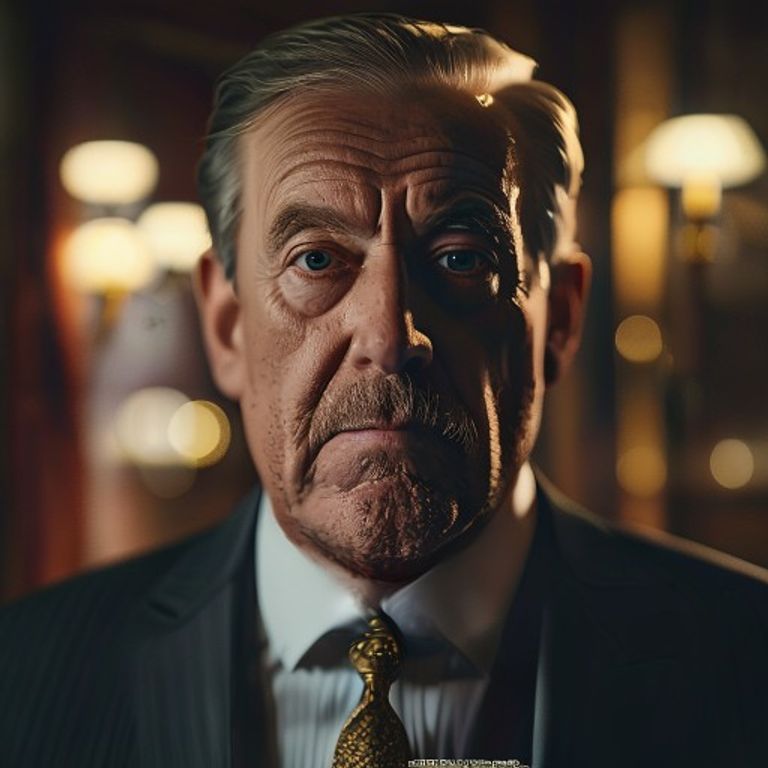










Health Secretary Wes Streeting Dominates Thursday Front Pages
In an unexpected turn of events, the United Kingdom’s Health Secretary, Wes Streeting, has become the most talked‑about figure in the nation’s media landscape on Thursday. The politician, who has been a prominent member of the Labour Party for years, now finds himself at the centre of a political storm that could reshape the future of the government. Street’s surge to prominence comes at a time when Prime Minister Sir Keir Starmer is actively working to retain his position as the country’s leader.
Streeting’s rise to the front pages has been fueled by a series of statements and policy proposals that have resonated strongly with both the public and political insiders. His focus on the NHS, mental health services, and a bold new health‑care reform agenda has captured the imagination of voters who have grown increasingly frustrated with what they see as a stagnating health system. In interviews across national broadcasters, Streeting has outlined a clear vision: a fully funded, three‑tiered NHS that prioritises preventive care, integrates mental health services with physical health treatment, and leverages modern technology to reduce waiting times.
On top of his health‑care initiatives, Streeting has also taken bold stances on broader social issues. He has publicly called for a “prime ministerial” approach to governance that would see the head of government act more like a chief executive, focusing on policy delivery rather than partisan politics. This remark, often paraphrased in headlines as “Wes, prime minister?”, has sparked considerable debate across the political spectrum. Critics argue that Streeting is overstepping his role as a cabinet minister, while supporters praise his willingness to challenge the status quo and push for a more technocratic style of leadership.
The media’s fascination with Streeting’s potential leadership ambitions was further amplified by a viral video clip titled “My flare lady.” In the clip, a junior member of Street’s team is seen demonstrating a flamboyant, high‑energy presentation style that has been likened to a performance art piece. The phrase quickly trended on social media, with users debating whether the flamboyance reflects a new, more dynamic political brand or simply a marketing gimmick. Regardless of the interpretation, the video undeniably boosted Streeting’s visibility and added a layer of pop‑culture flair to his political narrative.
Keir Starmer’s Attempt to Retain Premiership
While Streeting’s media momentum builds, Sir Keir Starmer is fighting an uphill battle to maintain his premiership. The Prime Minister, who took office following the Labour Party’s landslide victory in the last general election, has faced a series of challenges that have eroded his political capital. These include a series of cost‑of‑living crises, public discontent over the handling of the NHS backlog, and growing concerns about the government’s approach to climate policy.
Starmer’s strategy to hold on to power has involved a combination of policy adjustments, high‑profile cabinet reshuffles, and a concerted effort to project stability. Over the past month, he has announced a new fiscal plan aimed at reducing inflation by targeting supply‑chain bottlenecks, introduced a modest tax cut for low‑income households, and pledged additional funding for green infrastructure projects in an attempt to appeal to younger voters.
However, his reliance on traditional party messaging has been called into question. Observers note that while Starmer’s agenda continues to prioritize longstanding Labour values—such as social justice, public ownership of key services and workers’ rights—his communication style has struggled to capture the same level of public imagination that Streeting has managed to generate.
Political analysts suggest that Starmer’s difficulty lies in balancing his responsibilities as Prime Minister while contending with emerging intra‑party rivals who are positioning themselves as the fresh faces of a new, more dynamic Labour movement. Streeting, with his sharp focus on health reform and modern‑era governance, embodies that very challenge.
Impact on the Labour Party and Upcoming Elections
The growing prominence of Wes Streeting could have far‑reaching implications for the Labour Party’s internal dynamics. Party members are reportedly divided, with some seeing Streeting’s rise as a necessary injection of energy that can rejuvenate the party’s image before the next general election. Others worry that his ascent could create a fracture within the party’s ranks, potentially undermining Sir Keir Starmer’s authority.
In a recent closed‑door meeting of the Labour Party’s National Executive Committee, senior officials debated the merits of promoting Streeting to a higher profile, perhaps even positioning him as a potential successor to Starmer. The discussion highlighted two main points: first, Streeting’s ability to connect with younger voters, particularly those concerned about the NHS and climate change; second, the risk that elevating him could alienate traditional Labour constituencies that value a more disciplined, collective leadership model.
Polling data released earlier this week shows a slight uptick in public favourability for Streeting, especially among 25‑ to 40‑year‑olds, while Starmer’s approval numbers have plateaued. Although the margins remain modest, the trend illustrates a shifting landscape where newer, issue‑focused politicians are gaining traction.
Public Reaction and Social Media Buzz
The public’s response to both Streeting’s policy proposals and the “My flare lady” video has been overwhelmingly active on platforms such as Twitter, TikTok, and Instagram. Hashtags like #WesPrimeMinister and #FlareLady have amassed millions of impressions, indicating a strong appetite for political storytelling that blends seriousness with entertainment.
Critics on social media argue that the focus on style detracts from substantive policy discussion. Counter‑arguments from supporters claim that a charismatic presentation can be an effective tool for educating the electorate about complex issues, thereby encouraging civic engagement.
In addition to the internet buzz, street‑level activism has increased. Health‑care professionals across the country have organised rallies praising Streeting’s commitment to NHS reform, while some conservative groups have organized counter‑protests, warning that his proposals could lead to unsustainable public spending.
What Lies Ahead?
As the week progresses, all eyes remain on how Sir Keir Starmer will respond to Streeting’s growing influence. Will the Prime Minister seek to co‑opt some of Streeting’s ideas to revive his own agenda, or will he double down on his existing policies in an effort to reinforce his leadership? The answer could dictate the tone of the Labour Party’s strategy leading up to the next general election, scheduled for 2029.
Meanwhile, Wes Streeting appears poised to continue his media campaign. Upcoming appearances on popular talk shows, a series of town‑hall meetings across key swing constituencies, and the release of a detailed white paper on NHS reform are all on his calendar for the coming months. Whether these efforts translate into concrete political power remains to be seen, but the momentum generated by his current media presence suggests that he will remain a central figure in British politics for the foreseeable future.
In summary, Thursday’s headlines have highlighted a pivotal moment in UK politics: a health secretary with a compelling vision challenging the incumbent prime minister’s hold on power. The interplay between Streeting’s charismatic, reform‑driven approach and Starmer’s seasoned, stability‑focused leadership will likely shape the narrative of British governance in the years to come.