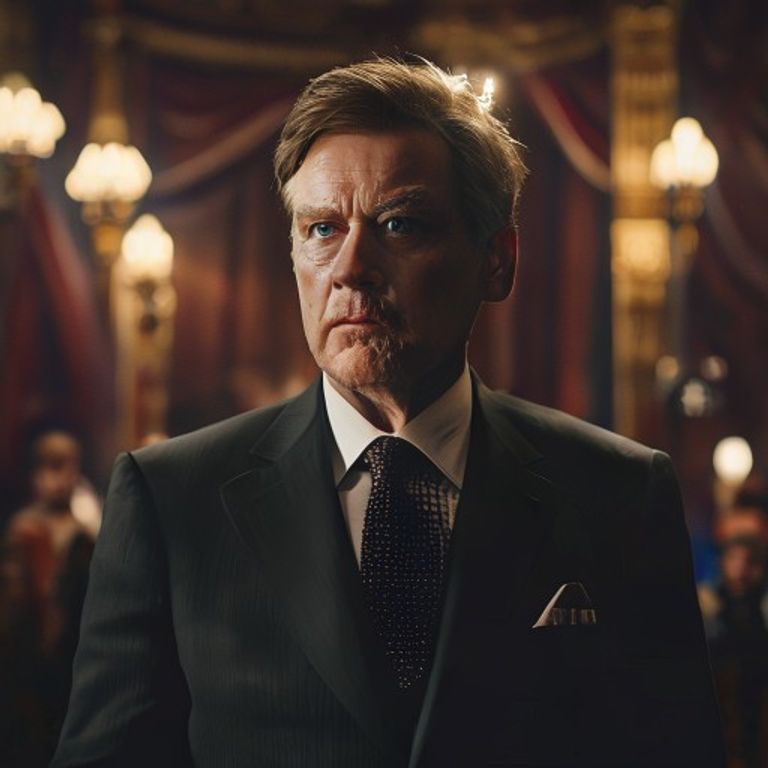


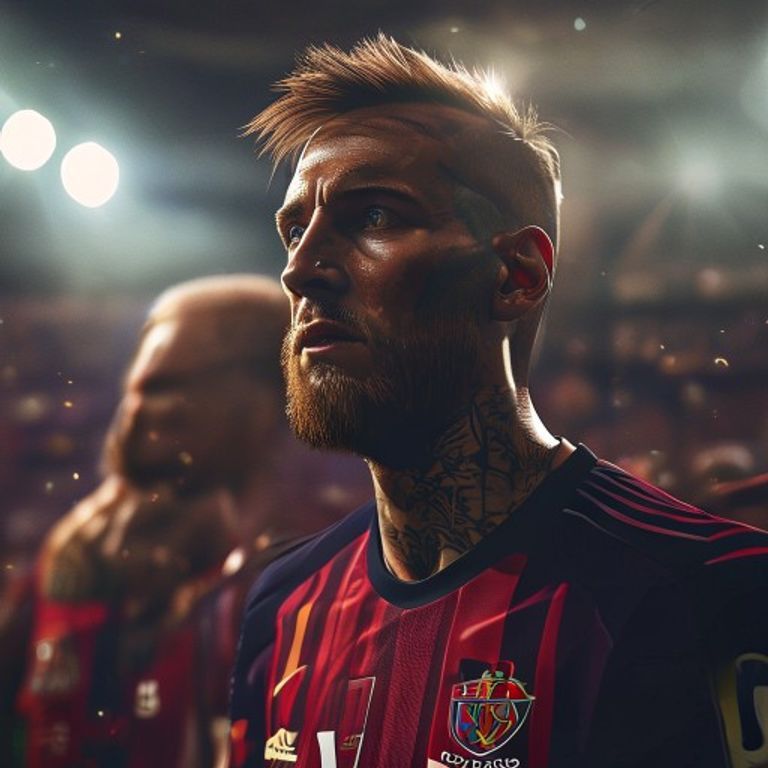
Introduction: A Clash of Rebuilt Giants
When Arsenal step onto the pitch to face Paris Saint-Germain in the Champions League final, the world will witness more than a traditional showdown between two elite clubs. It will be a dramatic encounter that pits Luis Enrique’s renowned ability to reconstruct a winning culture against PSG’s star‑studded lineup and relentless ambition. Fans, analysts, and casual observers alike are eager to see whether the Gunners, reborn under a fresh tactical vision, can overcome the French powerhouse that has become the epitome of a “complete package” after years of strategic investment.
Why Luis Enrique’s Expertise Matters
Luis Enrique earned his reputation as a cultural architect during his tenure at Barcelona, where he transformed a squad riddled with ego and internal discord into a cohesive unit capable of winning La Liga and the UEFA Champions League. His approach combines rigorous discipline, an emphasis on collective responsibility, and a clear tactical blueprint that maximizes each player’s strengths while minimizing weaknesses.
At Arsenal, Enrique inherited a side plagued by inconsistency and a lack of clear identity. Within a single season, he introduced a high‑tempo pressing system, encouraged younger talent to assume leadership roles, and cultivated a resilient mindset that has taken the Gunners from mid‑table obscurity to Champions League finalists. This cultural overhaul is central to why Arsenal’s upcoming match is being hailed as the ultimate test of Enrique’s rebuilding prowess.
PSG: The Definition of a Complete Package
Paris Saint-Germain has spent the last decade assembling a roster that blends world‑class talent, experienced veterans, and a deep bench capable of adapting to any tactical scenario. The club’s financial muscle has allowed it to sign marquee players—such as Lionel Messi, Kylian Mbappé, and Neymar—while retaining a core group of disciplined professionals who understand the demands of elite competition.
Beyond star power, PSG’s backroom staff, led by manager Christophe Galtier, have implemented a data‑driven approach to conditioning, set‑piece execution, and opponent analysis. The result is a team that can dominate possession, transition quickly, and press aggressively, making them arguably the most well‑rounded squad in Europe today.
Key Tactical Battles to Watch
Pressing vs. Possession: Enrique’s philosophy relies on coordinated pressing to force turnovers in the opponent’s half. PSG, however, boasts technically gifted midfielders who excel at retaining possession under pressure. The duel between Arsenal’s high press and PSG’s ball retention will likely dictate the flow of the game.
Midfield Engine Room: Arsenal’s midfield pivot, featuring emerging talents and seasoned campaigners, must contend with PSG’s dynamic duo of Marco Verratti and Lionel Messi, both capable of dictating tempo and unlocking defenses with a single pass. Enrique’s instructions for quick ball circulation and positional interchange will be tested against PSG’s spatial awareness and experience.
Defensive Discipline: PSG’s attacking trio has the freedom to roam, but they also rely on a disciplined defensive line that can shift quickly to cover spaces. Arsenal’s back four will need to stay compact, communicate effectively, and avoid being stretched by the French side’s vertical runs.
Player Matchups That Could Define the Outcome
Gabriel Martinelli vs. Kylian Mbappé: The young Arsenal forward, known for his speed and tenacity, will face the explosive Mbappé. Martinelli’s ability to track back and assist defensively could limit the Frenchman’s space, while his own dribbling may pose a threat on the counter‑attack.
Martin Ødegaard vs. Lionel Messi: The Arsenal captain’s vision and passing range will be crucial in breaking down PSG’s defensive organization, but he will also be tasked with containing Messi’s creative influence when the Argentine drops deep to collect the ball.
William Saliba vs. Marquinhos: Saliba’s composure and aerial prowess will be measured against the seasoned Marquinhos, who excels at reading the game and making crucial interceptions.
Historical Context: Past Encounters and Lessons Learned
Arsenal and PSG have met sporadically in European competition, with each fixture offering valuable insights. In the 2019‑20 Champions League group stage, PSG edged Arsenal 3‑0 at the Parc des Princes, highlighting the French side’s clinical finishing and defensive solidity. However, Arsenal’s 2‑1 victory at the Emirates in 2022 demonstrated their capacity to adapt quickly, showcase resilience, and exploit set‑piece opportunities.
These encounters underline a pattern: when Arsenal maintains tactical discipline and leverages set‑piece efficiency, they can neutralize PSG’s individual brilliance. Luis Enrique’s emphasis on set‑piece routines and defensive organization could thus prove decisive in the upcoming final.
Psychological Edge: The Role of Team Culture
Beyond tactics, the psychological battle is paramount. Luis Enrique’s track record of fostering a winning mentality—turning ego‑driven squads into unified collectives—provides Arsenal with a mental advantage. The Gunners have embraced a “no‑ego” mantra, emphasizing teamwork over individual accolades, which could offset PSG’s reliance on star performances.
Conversely, PSG’s culture of ambition, backed by relentless investment, creates a pressure-cooker environment. The expectation to win the Champions League for the first time for French clubs adds an extra layer of mental strain. How each team manages this pressure could influence performance in the final minutes of the match.
Fan Perspectives and Global Interest
The final has captured the imagination of a global audience. Arsenal’s loyal fanbase, revitalized by recent domestic success, is eager to claim their first Champions League trophy. Meanwhile, PSG supporters, drawn from across continents, hope to witness a historic triumph that validates the club’s massive financial commitments.
Social media trends indicate a surge in search queries for “Arsenal vs PSG final” and “Luis Enrique tactics,” signaling strong SEO potential for content creators. Utilizing keywords such as “Champions League final analysis,” “PSG complete package,” and “Arsenal rebuilding culture” will ensure maximum visibility for articles covering this marquee event.
Predictions and What to Expect
While certainty is impossible in football, several scenarios emerge:
- Arsenal edge through disciplined pressing: If the Gunners can sustain high‑intensity pressure, they may force errors from PSG’s backline, leading to quick transitions and scoring opportunities.
- PSG dominate possession and break down defenses: Leveraging their technical superiority, the French side could control the tempo, wear down Arsenal’s midfield, and exploit defensive lapses.
- Set‑piece showdown: Both teams have specialist set‑piece takers; a well‑executed dead‑ball routine could tilt the balance.
Ultimately, the match is likely to be decided by which team better translates its cultural foundation into on‑field execution. Luis Enrique’s ability to keep his squad focused, resilient, and tactically astute will be the litmus test of his rebuilding credentials.
Conclusion: A Test for the Ages
The Champions League final between Arsenal and Paris Saint-Germain promises a compelling narrative: a meticulously rebuilt English side versus a French juggernaut that epitomizes the modern “complete package” of talent, depth, and resources. As Luis Enrique’s cultural blueprint meets PSG’s star‑laden roster, football enthusiasts worldwide will witness a tactical chess match where psychology, preparation, and execution converge.
Regardless of the outcome, this showdown will be remembered as a defining moment for both clubs—one that could set the standard for how modern teams balance cultural cohesion with elite talent acquisition. For fans, analysts, and SEO strategists alike, the final offers a rich tapestry of storylines, keywords, and insights that will dominate football discourse for weeks to come.