







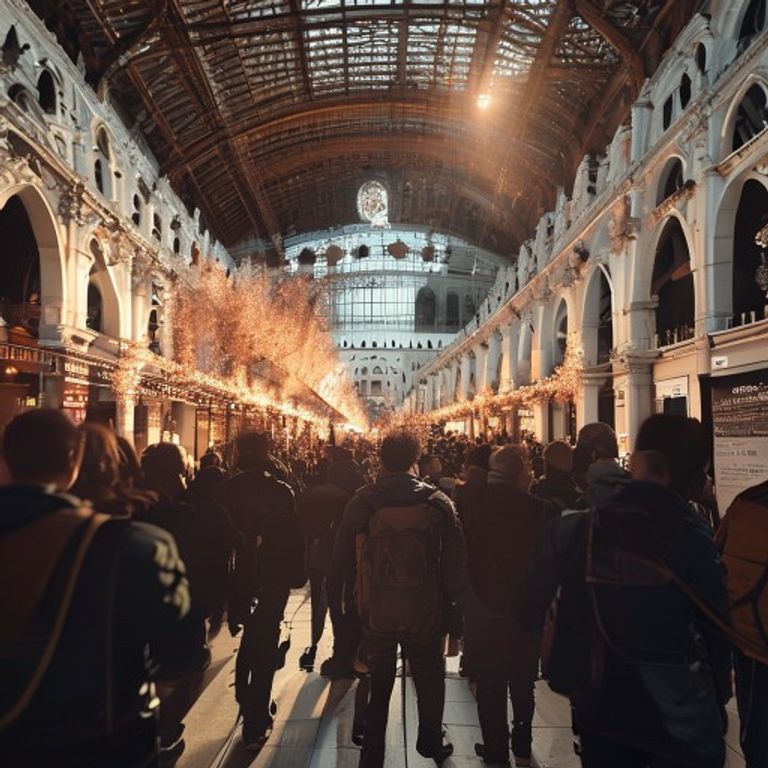
Venice Biennale Disrupted: Artists Shut Down Key Pavilions in Protest
The 2024 Venice Biennale, one of the most prestigious art events on the global calendar, experienced an unprecedented shutdown on Friday when artists and cultural workers staged a coordinated strike. The protest, organized in solidarity with Palestinians, forced the closure of several high‑profile national pavilions and halted visitor access to some of the exhibition’s most anticipated installations.
According to eyewitness reports and statements released by the participating artists, the strike began at 10:00 a.m. local time after a series of sit‑ins and banner displays were staged at the Giardini and the Arsenale, the two primary venues of the Biennale. By noon, curators from the United Kingdom, France, Brazil, and Japan announced they were pulling their works from public view, citing “the urgent need to address the humanitarian crisis in Gaza and the broader implications of cultural complicity.”
Organizers of the Biennale released a brief statement acknowledging the disruptions and promising to “engage in a constructive dialogue with the artists and the broader community.” However, the statement stopped short of detailing any concrete steps to address the underlying political concerns raised by the demonstrators.
Background: The Biennale’s Political History
The Venice Biennale, founded in 1895, has a long tradition of intertwining art with politics. Over the decades, the event has served as a platform for artists to critique war, colonialism, climate change, and social injustice. In recent years, the Biennale has faced increasing scrutiny for its funding sources and for hosting pavilions sponsored by governments with questionable human‑rights records.
The current strike adds to a growing list of cultural boycotts that have targeted major art institutions worldwide. In the past twelve months, museums in London, New York, and Berlin have faced similar protests demanding divestment from companies linked to the Israeli defense industry and calling for an end to cultural collaborations with Israeli state‑funded programs.
Key Pavilions Affected
United Kingdom Pavilion: Curated by renowned critic and curator Emily Jones, the UK pavilion featured an immersive installation by artist Maya Patel titled “Borders & Echoes.” The work, which used soundscapes and fragmented video, was intended to explore post‑colonial identities. Patel, along with the curatorial team, issued a joint statement announcing the immediate removal of the piece, stating that “art cannot be separated from the realities of oppression occurring beyond the museum walls.”
French Pavilion: The French representation, headed by curator Laurent Dubois, showcased a multimedia project by collective Les Voix du Monde. The work, titled “Mémoires d’une Terre”, combined archival photographs from the 1948 Nakba with contemporary footage from Gaza. The collective announced that they would dismantle the installation and donate any remaining materials to humanitarian NGOs operating in the region.
Brazilian Pavilion: Featuring a large‑scale sculpture by Ana Silva titled “Cicatrizes”, the Brazilian pavilion was among the first to close its doors. Silva, a vocal advocate for Palestinian rights, explained that the decision to halt the exhibition was “a moral imperative to refuse the normalization of violence through cultural platforms.”
Japanese Pavilion: The Japanese pavilion, curated by Hiroshi Tanaka, presented a video installation by emerging artist Kenji Saito titled “Threads of Silence”. The piece, which juxtaposed traditional Japanese textile techniques with images of Gaza’s destroyed neighborhoods, was removed after the artist joined the sit‑in and demanded that the Biennale recognize the “interconnectedness of suffering across borders.”
Impact on Visitors and the Art Market
The strike has left thousands of visitors in uncertainty. Ticket sales for the final weekend of the Biennale are projected to decline by up to 30 percent, according to data compiled by the tourism board of Venice. Local businesses, from cafés to hotels, warn of a potential revenue shortfall as the event traditionally draws an estimated 600,000 art‑tourists annually.
Art dealers and collectors have also expressed concern. Several galleries that had scheduled private viewings at the affected pavilions announced cancellations, citing “unforeseeable circumstances.” The uncertainty has sparked a broader conversation about the risks of aligning commercial art sales with politically charged events.
Reactions from the International Community
Human‑rights organizations, including Amnesty International and Human Rights Watch, praised the artists for “leveraging cultural influence to amplify the plight of Palestinians.” In a joint press release, the organizations called on the Biennale’s leadership to “adopt concrete measures, such as public statements, financial transparency, and potential programming dedicated to conflict resolution.”
Conversely, representatives of the Israeli Ministry of Foreign Affairs condemned the strike as “politically motivated censorship that undermines artistic freedom.” A spokesperson claimed that the Biennale was being instrumentalized as a platform for “one‑sided political propaganda.”
Future Outlook: What Comes Next for the Biennale?
As the Biennale approaches its closing ceremony on June 23, organizers face the challenge of reconciling artistic expression with the heightened political climate. Some curators have proposed an emergency panel discussion titled “Art in Times of Conflict,” to be held on June 15, featuring artists, scholars, and activists from both sides of the debate.
The Biennale’s director, Giorgio Barazzini, hinted at the possibility of dedicating a section of the future exhibition space to “peace-building initiatives,” though no specific programming details have been released.
Regardless of the outcome, the strike has cemented the role of artists as active participants in global political discourse. By halting the most prominent pavilions at the Venice Biennale, the protest has forced the art world to confront uncomfortable questions about complicity, funding, and the responsibilities of cultural institutions during times of humanitarian crisis.
As the world watches the aftermath, the Venice Biennale may serve as a turning point—prompting museums, festivals, and galleries worldwide to reconsider how they engage with geopolitical issues and how they can support, rather than silence, the voices calling for justice.