









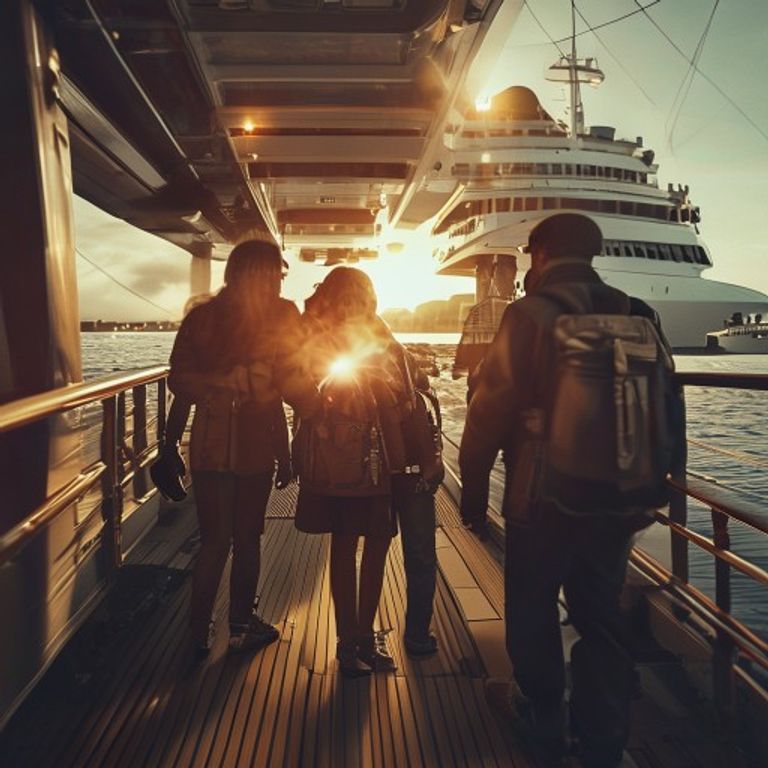
Three Passengers Evacuated from Dutch‑Flagged Cruise Ship Amid Hantavirus Concerns
Three individuals showing possible symptoms of hantavirus were air‑lifted from the Dutch‑registered cruise vessel MV Hondius early Wednesday morning, prompting heightened health‑screening measures and a coordinated response from international health authorities. The evacuation, carried out by a specialized medical team, underscores the growing awareness of zoonotic diseases on maritime vessels and highlights the protocols that cruise lines must follow when confronting potential outbreaks.
The MV Hondius, a 10‑day Caribbean itinerary cruise operated by a Netherlands‑based company, set sail from Rotterdam on Monday with approximately 1,200 passengers and crew aboard. According to the ship’s master, the vessel maintained regular health‑screening procedures at departure, including temperature checks and a questionnaire about recent travel and animal exposure. On the second day of the sailing, three passengers in cabin 7‑B reported fever, chills, muscle aches, and respiratory discomfort—symptoms that closely match those associated with hantavirus infection.
Hantavirus, a rodent‑borne virus that can cause hemorrhagic fever with renal syndrome (HFRS) or hantavirus pulmonary syndrome (HPS), is rare but potentially severe. Transmission typically occurs through inhalation of aerosolized particles from rodent urine, droppings, or saliva. While the virus is more commonly reported in rural or agricultural settings, recent studies have shown that cruise ships—particularly those with extensive onboard dining facilities and waste‑management systems—can become inadvertent habitats for rodent populations if strict pest‑control measures are not upheld.
Upon receiving the reports, the ship’s medical officer initiated the vessel’s emergency health protocol, which includes immediate isolation of the symptomatic individuals, thorough sanitization of the affected cabin, and notification of the ship’s operating company. The captain then alerted the nearest maritime rescue coordination centre (MRCC) and requested assistance from the Dutch Ministry of Health, Welfare and Sport, as well as the World Health Organization’s (WHO) International Health Regulations (IHR) Emergency Committee.
Within two hours, a Dutch medical evacuation team arrived aboard a helicopter stationed at the nearby St. Maarten airport. The three passengers were transferred to a specialized isolation unit at the island’s public health hospital, where they underwent comprehensive diagnostic testing, including serological assays and polymerase chain reaction (PCR) analysis to confirm or rule out hantavirus infection.
While the test results were pending, the ship’s management took proactive steps to prevent further potential exposure. All passengers were notified of the situation through the ship’s public address system, and a series of informational briefings were conducted in multiple languages to explain the symptoms of hantavirus, the importance of personal hygiene, and the steps being taken to secure the vessel. Additionally, the crew intensified rodent‑control efforts, deploying bait stations, sealing potential entry points, and conducting a thorough inspection of storage areas, galley spaces, and waste disposal units.
In line with WHO’s International Health Regulations, the cruise line also reported the incident to the destination ports of call, including St. Lucia, Barbados, and Grenada, to allow those authorities to prepare any necessary health measures upon the ship’s arrival. The vessel’s itinerary was temporarily adjusted, with the next scheduled port of call postponed by 24 hours to allow for additional sanitization and to give health officials time to assess the situation.
Experts from the European Centre for Disease Prevention and Control (ECDC) emphasized that while hantavirus cases on cruise ships are exceptionally rare, the incident serves as a reminder of the importance of robust pest‑management programs and rapid response plans for infectious disease threats. “Cruise ships operate in a unique environment where a large number of people share confined spaces, and any lapse in hygiene or pest control can have amplified consequences,” said Dr. Elise Van der Meer, an epidemiologist with the ECDC. “The swift evacuation and transparent communication demonstrated by the MV Hondius crew are exemplary and should be adopted as a best‑practice model across the industry.”
The three evacuated passengers are currently receiving supportive care. According to the attending physicians, early intervention for hantavirus infections can significantly improve outcomes, especially when patients are closely monitored for respiratory distress and kidney function. The doctors have also administered antiviral therapy where appropriate and are conducting daily assessments to track symptom progression.
Meanwhile, the remaining passengers and crew aboard the MV Hondius have been reassured that no additional cases have been identified. Routine health monitoring continues, with temperature checks performed twice daily and any new symptoms reported immediately to the medical staff. The ship’s captain has pledged to maintain full transparency with passengers, providing daily updates via the onboard television system and the cruise line’s mobile app.
Industry analysts predict that the incident could lead to tighter regulatory oversight for cruise operators, particularly regarding rodent‑control standards and mandatory health‑screening protocols for all voyages. The International Maritime Organization (IMO) is reportedly reviewing its existing guidelines to incorporate more stringent requirements for pest management and rapid disease response on passenger vessels.
For travelers planning future cruises, health experts recommend several precautionary measures: regular hand washing, using hand sanitizers when soap is unavailable, avoiding direct contact with rodents, and reporting any signs of pest activity to ship staff immediately. Additionally, passengers with pre‑existing health conditions or weakened immune systems should consult their physicians before embarking on long‑duration voyages.
The MV Hondius incident also highlights the critical role of international cooperation in managing infectious disease threats at sea. By collaborating with national health ministries, the WHO, and regional health agencies, cruise lines can ensure that potential outbreaks are contained swiftly, minimizing risk to passengers, crew, and destination communities.
As the situation develops, the maritime community awaits the final diagnostic results. Should hantavirus be confirmed, the case will add to a limited but growing body of literature on the virus’s presence in maritime environments, potentially influencing future research on vector control and onboard environmental health.
Regardless of the outcome, the decisive actions taken by the ship’s crew, the rapid medical evacuation, and the transparent communication strategy set a strong precedent for handling emergent health threats on cruise ships. Passengers, industry stakeholders, and public health officials alike will be closely monitoring the developments, using the lessons learned to reinforce safety protocols and protect the health of all those who travel across the world’s oceans.